
25 Fashion Upcycling Projects to Try After Sewing Bee
upcycling, upcycled clothes, upcycle, Sewing Bee, Sewing, quick makes, dressmaking, DIY
2026
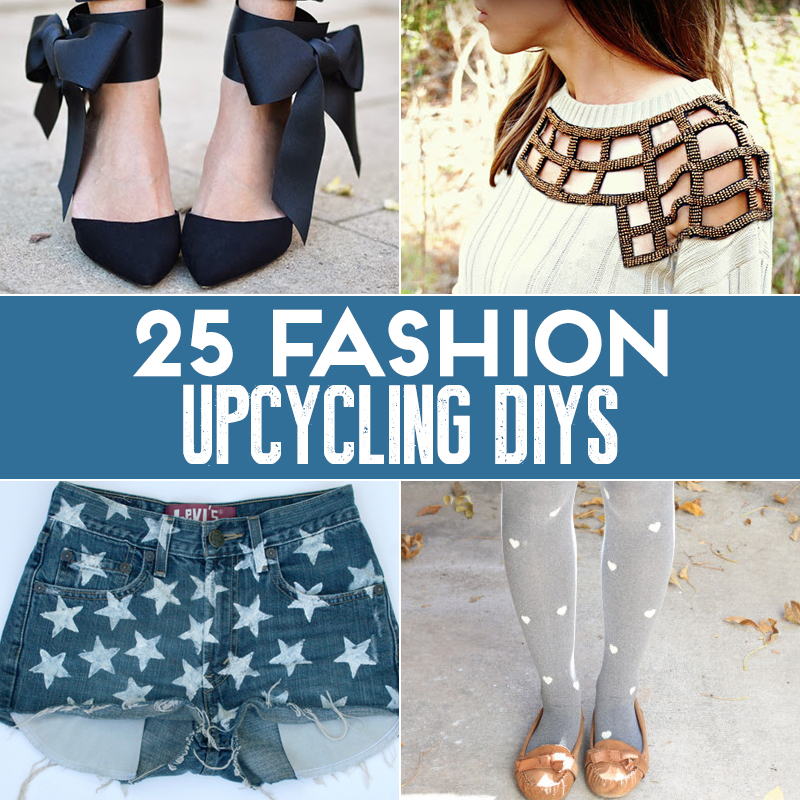
Feeling inspired by this week’s Great British Sewing Bee transformation challenge? If you’ve been wondering what to do with clothes that no longer fit your style, we’ve rounded up 25 creative fashion upcycling projects to help you give them a new lease of life.
0) Sewing Bee Sleeveless Shell Top
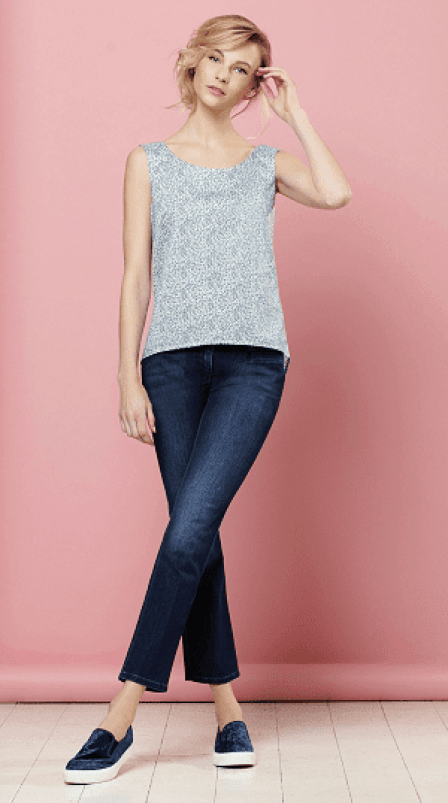
If this week’s Great British Sewing Bee Pattern Challenge has inspired you, why not sew your own? This stylish Sewing Bee Sleeveless Shell Top is a versatile wardrobe staple that’s perfect for showing off beautiful prints while practising techniques like pattern matching, neat finishing and achieving a professional fit.
1) Party Dress cut-out

For the ultimate lunchtime-make, thrifty stitch a plain dress into a party frock with a cut-out back
2) Obi belt
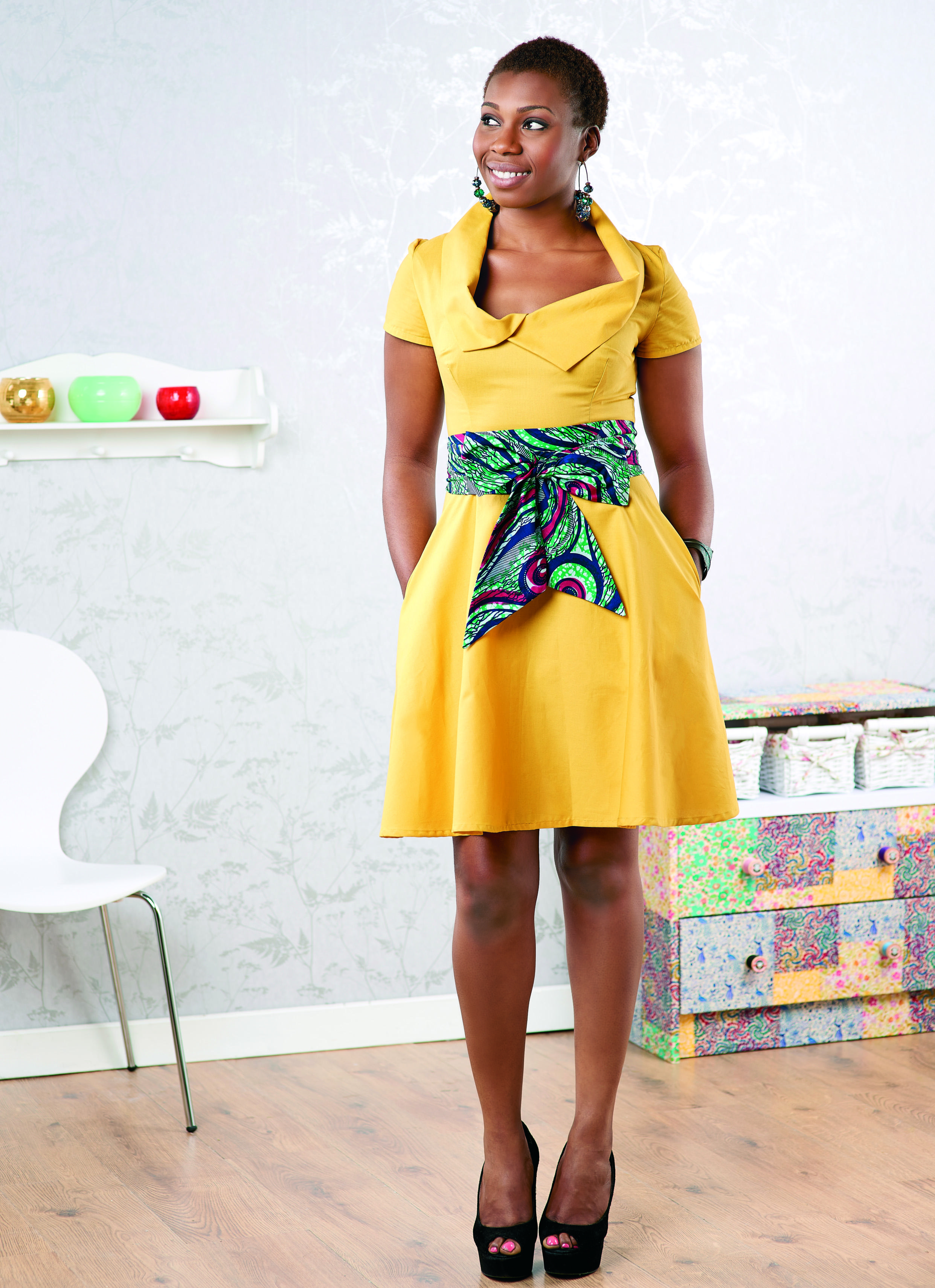
If you’ve already got your outfit sorted but just want to add a colourful statement accessory make Sewing Bee’s Chinelo Bally’s Obi Belt
3) Jersey headbands

For another stylish accessory whip up one of our jersey headbands for a cute vintage look
4) Ribbon bow back jumper

For a quick-make add bow detailing to the back of a jumper with ribbon
5) Bow heels

Add some bow-wow factor to a pair of black shoes for a date night
6) DIY Rocker T-Shirt

Cut the sleeves off your boyfriend’s old baggy music tee and tie back with a bow for a girlie touch
7) Applique jumper

For another after-work-gig-look make this rock-star Trash to Couture embellished jumper
8) Chain shoulder DIY detail

...Or for a slightly more subtle look create a chain-woven jumper
9) Glitter ankle boots

...And pair with some glitter ankle boots
10) Studded skinnies

...Then add some studded skinny jeans to fully complete the look!
11) Heart painted jeans

Upcycle a pair of coloured skinny jeans by stencil painting hearts
12) Patterned painted tights

...Or use a similar technique to make some heart patterned tights
13) Star stencil shorts

Keep your stencil kit handy and update a pair of shorts with some painted stars
14) Paisley pocket

You could also customise a pair of shorts with this cute paisley pocket addition
15) Scalloped shorts

...Or create a smart work-wear look with these cut-out scalloped shorts
16) Lacey shorts
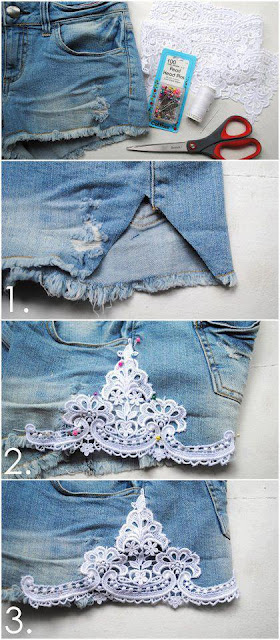
Make a pair of shorts more romantic by adding some elegant lace inserts
17) Lace insert top

Also use lace inserts for a delicate addition to upcycle an old vest top
18) Sheer paneled dress

...Or use the same insert technique with sheer panels
19) Liberty Collar

Add interest to a plain top or blouse with this detachable fabric collar
20) Statement beaded edging

Or decorate a cardigan with a statement beaded collar
21) Ice cream elbows

We can’t get enough of these ice cream elbow patches! Perfect if you’re feeling chilly but want to keep up your summer style!
22) Heart felt patches

Or try patching up an elbow hole with needle felted iron-on hearts
23) Upcycled colour-block maxi

If you’ve got three spare polo shirts lying around create a colour-block maxi by sewing them together
24) DIY wrap sandals

Complete your summer ensemble with a pair of DIY wrap sandals
25) Braided back tee

Good at a plait? Whip up this summer braided back tee in minutes
Show us your upcycled DIY makes on Facebook or Twitter
New this week
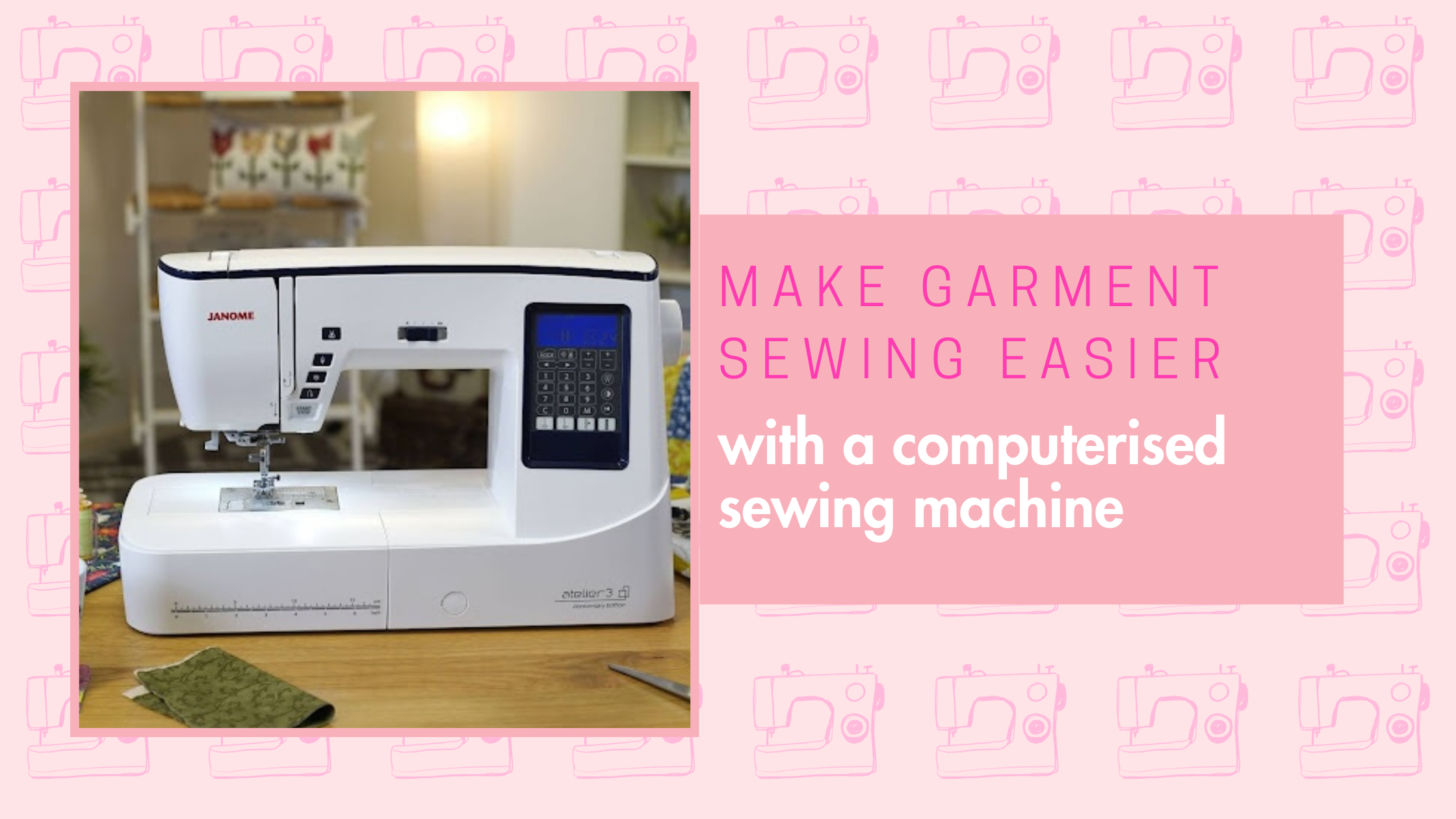
How Computerised Sewing Machines Make Garment Sewing Easier
16 Feb 2026
[advertorial] Switching from a mechanical to a computerised sewing machine can feel like…

Creative Book Awards 2026: Shortlist Unveiled
26 Jan 2026
Welcome to the Creative Book Awards 2026! Since launching in 2021, these awards…